How to Choose a Rosé Wine
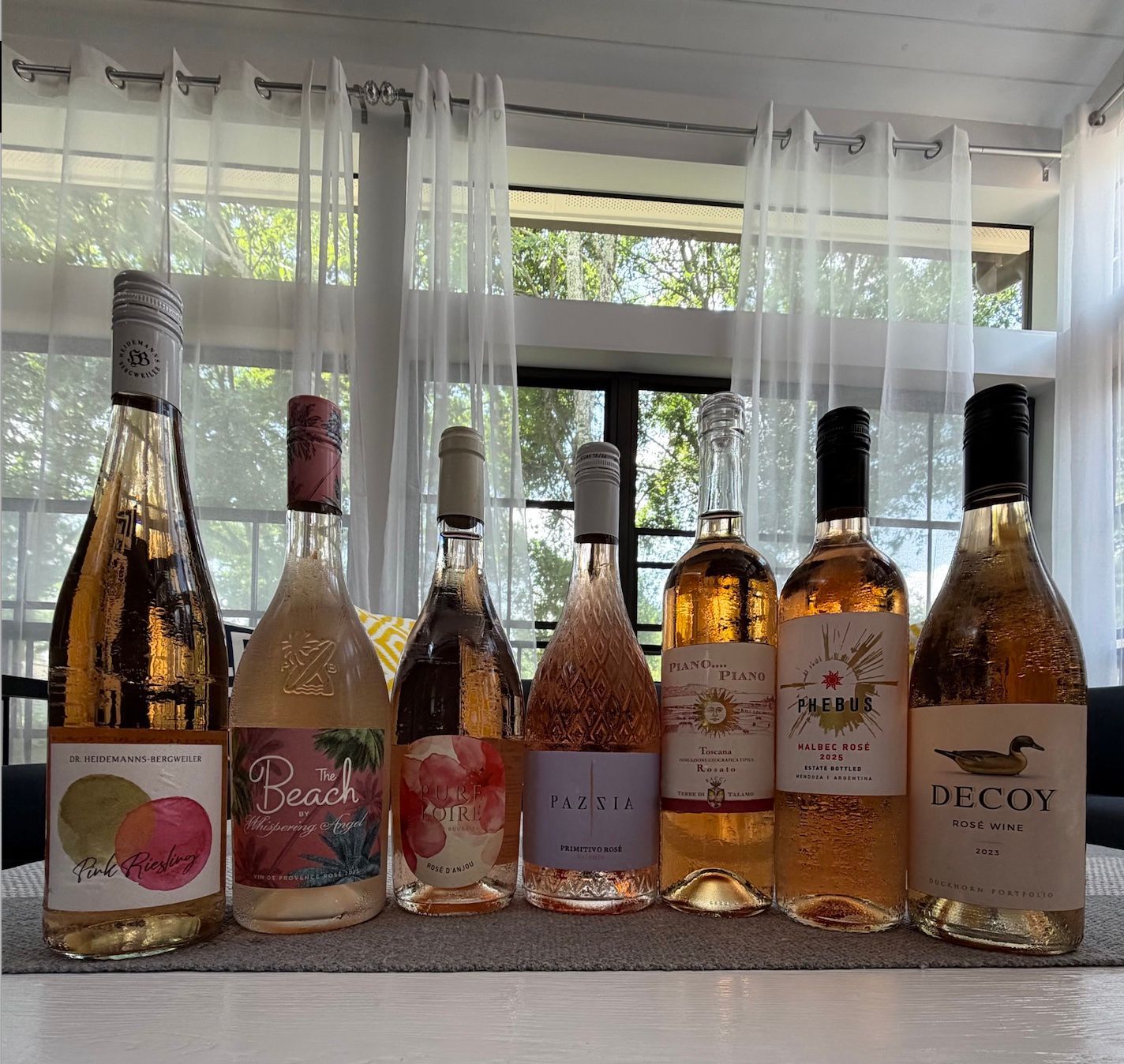
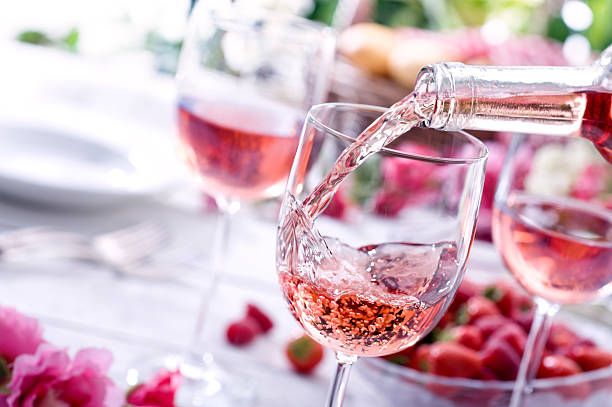
With so many Rosé options on the store shelves, where do you start?! I'm a firm believer that you need to know your grape preference first, then the origin of the wine and the purpose for your wine selection. The Rosé tasting I chose below is from a variety of different grapes and countries. There were a few that surprised me! All of these wines were under $20. Life has certainly changed. The wines from my Rosé post several years ago were easily all under $15; not anymore.
Read on!
Dr. Heidemanns-Bergweiler Pink Riesling, Mosel, Germany - 95% Riesling, 3% Pinot Noir, 2% Water (what?!) - 9% Alcohol. This was the most surprising wine of the group. I loved it! When you see an alcohol level at 9%, it may be a hint that it's slightly sweet, and yes, this has a bit of residual sugar. However, the light body, refreshing acidity and characteristic Mosel minerality, along with the lovely berry, orange and honeysuckle flavors, make this a great summer porch pounder, or pair with food that has a bit of spice heat. This wine is also for those wanting to find lower alcohol wines. Please try!
The Beach, Côtes de Provence, France 2025 - Grenache, Cinsault, Syrah - 13% Alcohol. I confess, this is one of my favorite Provence Rosé wines, even though it feels too pop culture. The Beach is from the same Château d'Esclans producer of Whispering Angel and Rock Angel, but cheaper. With a lovely pink color and bright, refreshing flavors of strawberries, raspberries, citrus and minerals, this wine is always a sure thing if you're looking for a Provence Rosé.
Bougrier Pure Loire Rosé d'Anjou, Loire Valley, France 2025 - 70% Grolleau Noir, 30% Grolleau Gris - 11.5% Alcohol. This was one of my favorites of this selection, with the prettiest pink color, refreshing acidity and flavors of juicy strawberries, raspberries and citrus. Grolleau Noir is an indigenous grape of the Loire Valley, commonly used for the production of Rosé wines in the Loire. The Famille Bougrier is a 6th generation family, from 1885, well known for producing quality wine. Get to know Loire Valley Rosé wines with this Bougrier Pure Loire.
Pazzia Primitivo Rosé, Puglia, Italy 2025 - Primitivo (AKA Zinfandel in the U.S.) - 12.5% Alcohol. The aroma and tastes of this wine take you immediately to the Mediterranean with its refreshing salinity and fresh red cherry, strawberry, and citrus flavors. Slightly deeper in color and body than the above wines, it's a perfect BBQ pairing, but also still good on its own.
Terre di Talamo Piano Piano, Tuscany, Italy 2024 - 50% Cabernet Sauvignon, 50% Sangiovese - 13.5% Alcohol. Calling all Cab lovers, this Rosé is for you! Visions of Italy immediately come to mind when tasting this wine, with flavors of ripe strawberries, red currants, hints of Old World pepper, spice and tobacco, and also a bit of soft tannins on this Rosé. With a deeper color and body to this wine, it will pair well with grilled meats and Italian, red sauce pizza and pasta.
Phebus Malbec Rosé, Mendoza, Argentina 2025 - 100% Malbec - 12.5% Alcohol. Continuing on the exploration of Rosé wines from different grapes, we're on to Malbec. This wine is fuller bodied with flavors of strawberries, raspberries and citrus, but also a bit of tin/steel that I couldn't get past. This is the point of the exercise: Find your personal grape preferences. If you're a fan of Malbec give it a try and let me know what you think!
Decoy by Duckhorn Rosé, Californina 2023 - 60% Syrah, 20% Carignan, 12% Vermentino, 8% Grenache - 13.9% Alcohol. Rosé wines from Syrah have always been on my list of favorites, with traditional Rosé strawberry and lemon flavors, but also with notes of herbs and spices, and a bit of soft tannins. Of this above selection of Rosé wines, this is one of the deepest and fuller body wines and, with the slight tannins, will go better with food than on its own; a perfect pairing with grilled meats, salmon, pizza and red sauce pasta.
Try these different wines and let me know your own personal preferences.
Have a great Rosé Day!

GRAPES
REGIONS
MORE